


My Account
Add my auction


Tel 01332 551 300
Email [email protected]


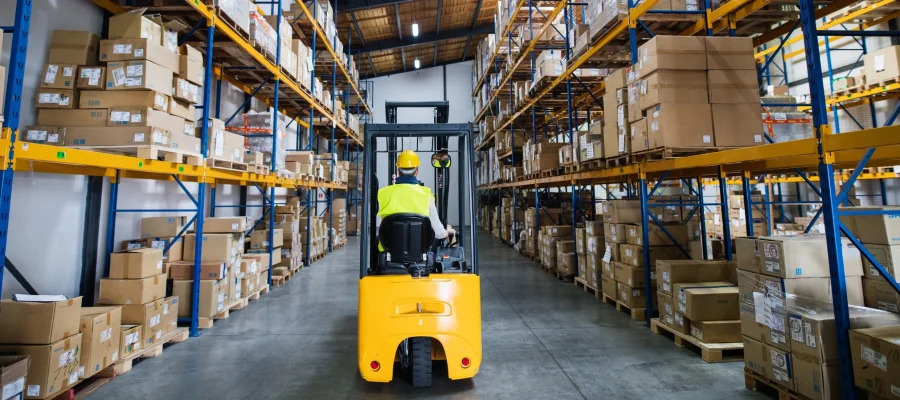
One week it could be a commercial kitchen. The next, a warehouse full of retail stock, a fleet of vans or machinery from a manufacturing site. That unpredictability is part of what makes liquidation auctions different.
When a business closes and its assets need to be sold, the resulting auction can offer a snapshot of everything that business needed to operate. For buyers, that means opportunities can appear across almost every sector, with everything from individual pieces of equipment to complete site contents and bulk liquidation stock coming to market.
But with that variety comes a little more homework.
The headline assets might be what first catches your attention, but liquidation sales can be worth looking through in full.
A restaurant liquidation, for example, might have the obvious ovens, refrigeration and catering equipment, but there could also be furniture, EPOS systems, storage, small appliances and other useful items further down the catalogue.
The same applies to manufacturing businesses. Alongside major machinery, you could find tooling, workbenches, compressors, handling equipment, racking and other assets needed for the day-to-day running of the site.
Store liquidations can be equally varied, with remaining inventory potentially sold alongside shelving, display equipment, counters, warehouse equipment and fixtures.
If you're searching for a particular asset, don't assume it will always appear in the auction category you'd expect.
Not every liquidation sale is about machinery and equipment. Some businesses leave behind considerable quantities of stock, which may be offered individually, in bulk lots or as pallets.
This is where buyers looking for liquidation pallets in the UK need to pay particularly close attention to the catalogue. A pallet containing dozens or hundreds of products can look appealing, especially if you're buying for resale, but quantity only tells you part of the story.
Is there a full inventory? Is the stock new, returned, incomplete or mixed condition? Are quantities confirmed? Can you see enough photographs to understand what's included?
If a manifest is available, use it. If something isn't clear, check with the auctioneer before bidding.
The same thinking applies whether you're buying one pallet or an entire batch of liquidation stock: know what you're buying rather than relying on the potential value of the lot.
It's easy to focus on the number on screen while you're bidding, but your maximum bid should be based on the total cost of getting the asset where it needs to go.
Check the buyer's premium and VAT arrangements before bidding, then think about what happens afterwards. If you're unsure how these additional charges work, our guide to understanding auction fees, valuation costs and commissions explains the different costs involved and what buyers should be aware of.
Can the items fit in your vehicle? Will you need a pallet courier? Does machinery need disconnecting or dismantling? Is specialist lifting equipment required? How far is the collection location from you?
Collection windows following a business liquidation can sometimes be relatively short, so these aren't questions to leave until after you've won.
Liquidation stock can offer opportunities to buy assets at competitive prices, but an item's original retail price shouldn't determine what you're prepared to pay.
If you're buying equipment for your own business, consider its condition, suitability and the cost of an equivalent alternative.
For resellers, the calculation is different. Storage, marketplace fees, delivery, demand and the time it could take to sell the stock all matter. A pallet containing a large number of products isn't necessarily useful if only a small proportion suits your customers.
Decide what the lot is worth to you before bidding starts and set your limit accordingly.
That's ultimately what makes liquidation auctions worth watching.
A closure in hospitality will produce a completely different catalogue to one in engineering, retail, construction or logistics. Even two businesses operating in the same industry can have very different assets.
Rather than searching auctioneer websites individually, Auction News brings together upcoming liquidation auctions across the UK in one place. You can see the latest business assets and liquidation stock coming to market and follow the sales relevant to you.
And if there's something specific you're waiting for, setting up a free Auction News account and tailored auction alerts can help you keep track of new opportunities as they're listed. Because with liquidation auctions, sometimes the most interesting lot is the one you weren't expecting to find.
Includes
Have an account? Sign in

By clicking create account you confirm that you agree to our website terms of use.
Create Account